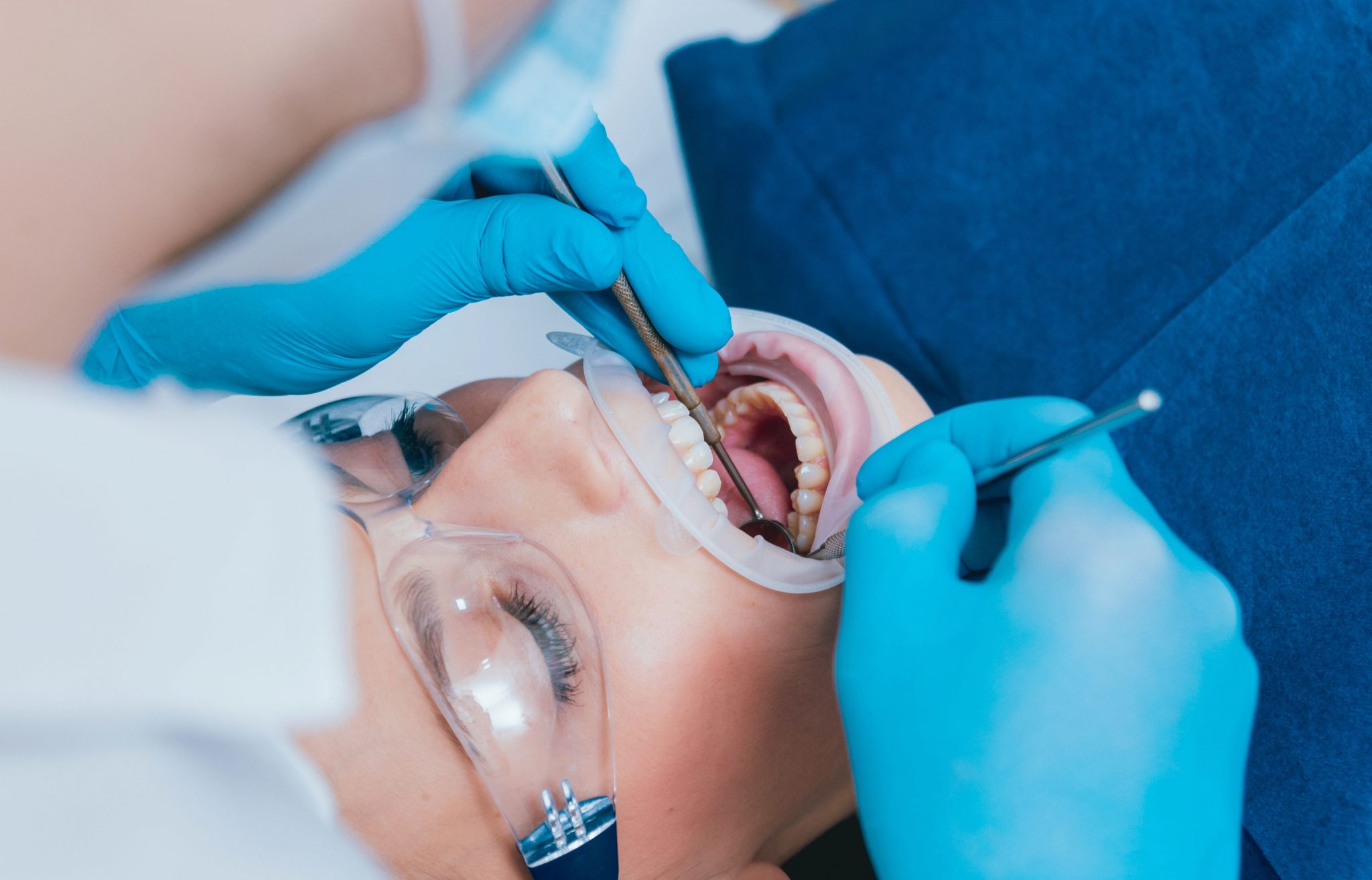
Oral Surgeries are specialized dental procedures performed to treat complex issues of the teeth, gums, and jaw that cannot be resolved with routine treatments. Common oral surgeries include wisdom tooth extractions, removal of impacted teeth, treatment of jaw problems, gum surgeries, dental implant placements, and corrective procedures for injuries or deformities. These surgeries are carried out under local or general anesthesia to ensure patient comfort and safety throughout the process.
The goal of oral surgery is to restore oral health, improve function, and relieve pain while also enhancing the overall quality of life. With advancements in modern dentistry, most oral surgeries are minimally invasive, ensuring faster healing, reduced discomfort, and better results. Proper aftercare, including good oral hygiene and regular dental checkups, helps ensure long-lasting benefits and smooth recovery.